Microdermabrasion vs chemical peel: which is better?

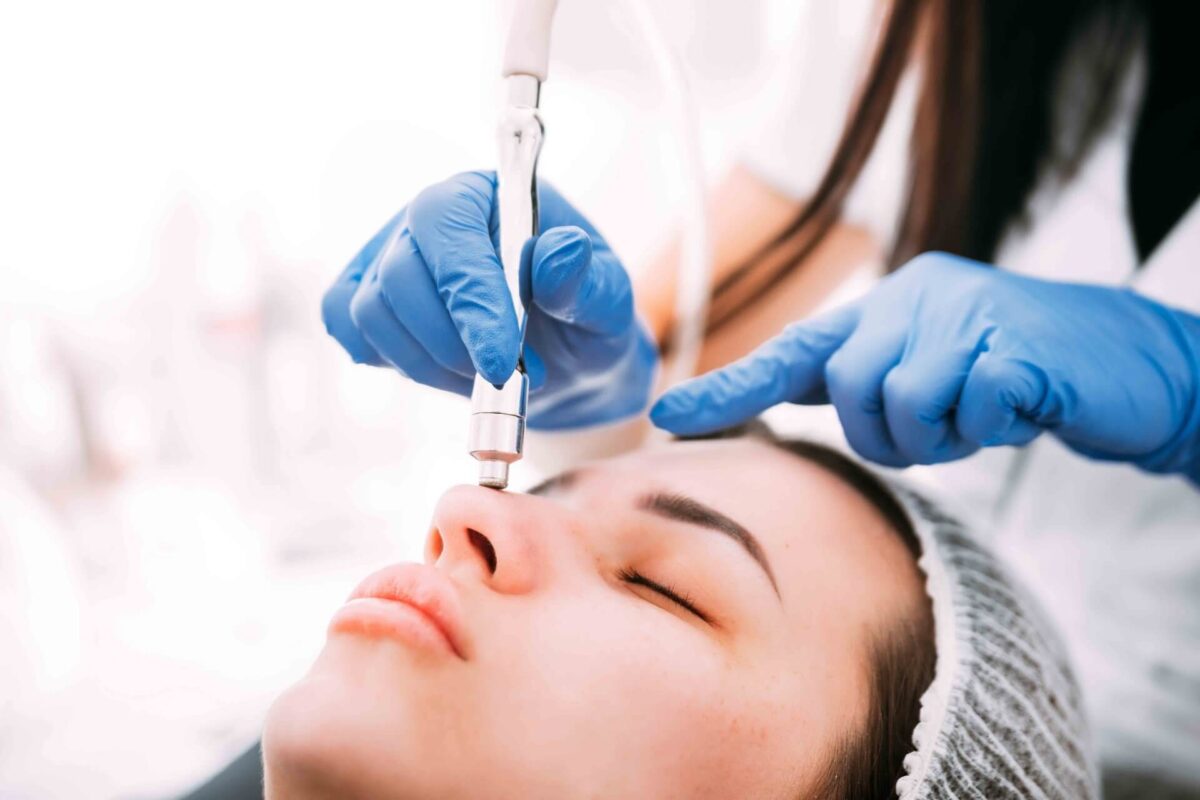
There are many tools in our toolkit when it comes to refreshing skin and making the face look younger. One of these tools is through exfoliation. But not just exfoliation through scrubs you can buy at the drugstore; we’re talking about more intense exfoliation that gets the skin renewing itself. We’ll go over the two main types of professional exfoliation: chemical exfoliation (chemical peels) and physical exfoliation (microdermabrasion).
Chemical Peels
Chemical peels involve the use of chemical solutions applied on the skin. This causes the outer layer of skin to come off without the need for physical scrubbing.
Benefits: Chemical peels help reduce fine lines, combat sun damage, improve the appearance of scars, and reduce the appearance of areas of hyper-pigmentation. They also give you a healthy glow. They also come in three different levels, so those with more sensitive skin or those looking to only correct minor concerns can benefit from the light peel. Chemical peels can also help stimulate collagen; this will vary based on the strength of the treatment.
Procedure: There are three levels of chemical peels: light, medium, and deep. At the start of your procedure the skincare professional may apply topical anesthesia. They will then apply a chemical solution featuring either salicylic acid or glycolic acid. Recovery time varies based on the strength of the treatment. Your skin will be very sensitive to sunlight afterwards so be sure to apply a broad spectrum sunscreen daily especially after a chemical peel.
Microdermabrasion
Microdermabrasion utilizes physical exfoliation through the use of a mildly abrasive instrument to help slough off the dead skin cells on the outer layer of skin.
Benefits: Microdermabrasion facial helps reduce the appearance of enlarged pores, fine lines, wrinkles, age spots, acne scars and hyper-pigmentation. It will give skin a healthy glow, and allows beauty products to be more readily absorbed into the skin.
Procedure: During the procedure, your skincare professional will use a special tool to exfoliate the top layer of skin. This will be stronger than tools you might use at home, but still very gentle on the face. Alternatively, crystal dermabrasion may be used. This involves the use of many tiny crystals which are emitted from a wand and then “vacuumed” back up off the face. The act of these crystals hitting the face causes exfoliation. No anesthesia is necessary for either option. After the procedure, your skincare professional may apply lotion to help the healing process and sunscreen to protect your sensitized skin.
Which should I choose?
If you’re wondering which is better for you, it depends on your wants and needs, as well as your skin type. Those with lighter skin and hair are better candidates for chemical peels since they may cause discoloration in those with darker skin. However, your skin care professional can prescribe bleaching cream to counteract the discoloration if needed. Those with sensitive skin should opt for only light chemical peels. Chemical peels are not advisable for pregnant women. Generally, chemical peels provide more dramatic results. Consult with your doctor for the best option for you.