Are nasal decongestants beneficial?

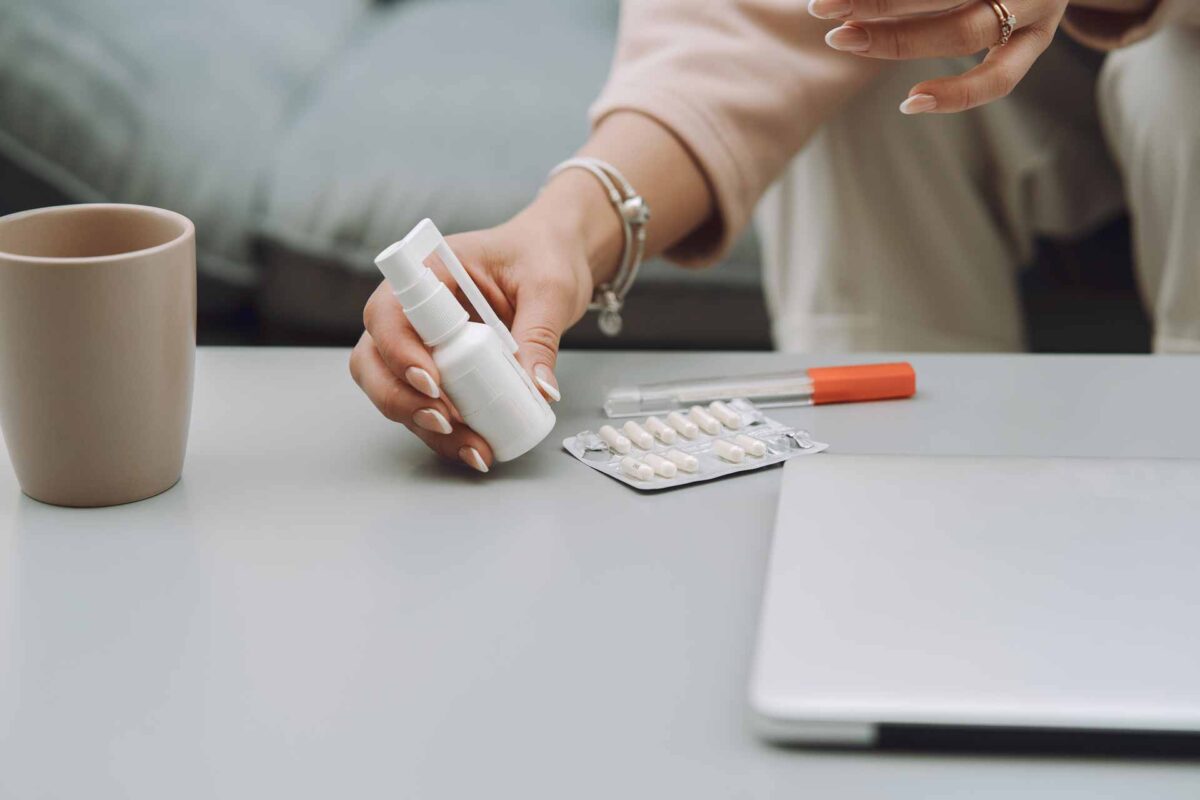
Nasal decongestant: A drug that shrinks the swollen membranes in the nose, making it easier to breathe, can be taken orally or as nasal drops or spray.

Nasal decongestant: A drug that shrinks the swollen membranes in the nose, making it easier to breathe, can be taken orally or as nasal drops or spray.
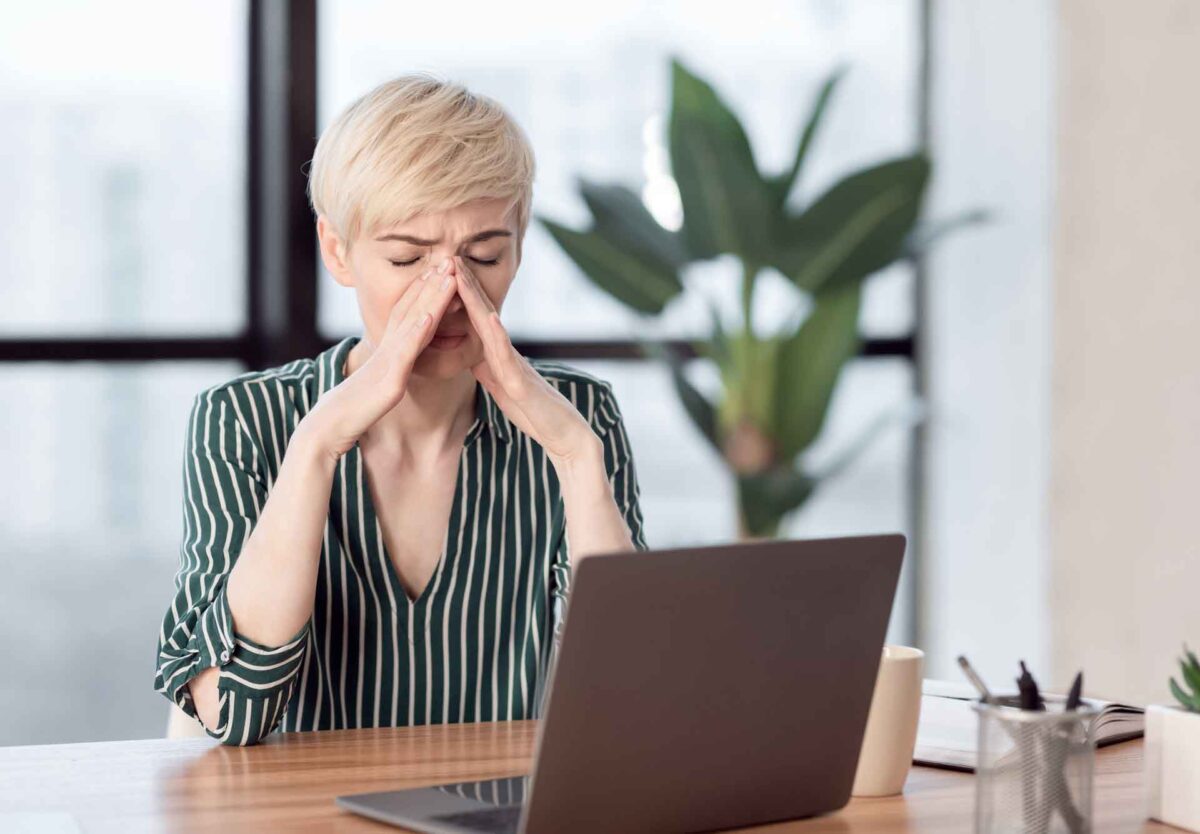
Sinus drainage, or postnasal drip, often occurs during and after illness. In most normal conditions, you wouldn’t even notice. Here are some solutions.
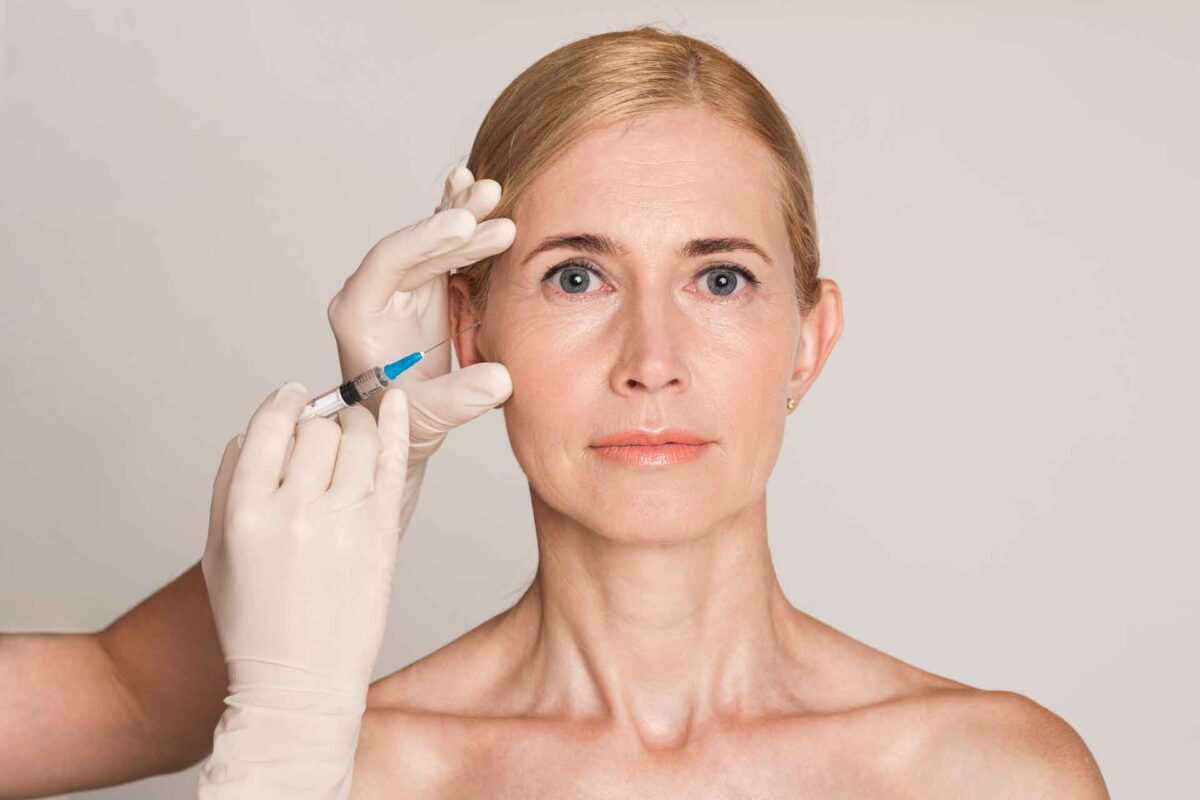
Botox is an extremely popular wrinkle treatment that’s ideal for dynamic wrinkles. Derived from Botulinum toxin, Botox is injected through a very fine needle into a muscle underlying a bothersome wrinkle.
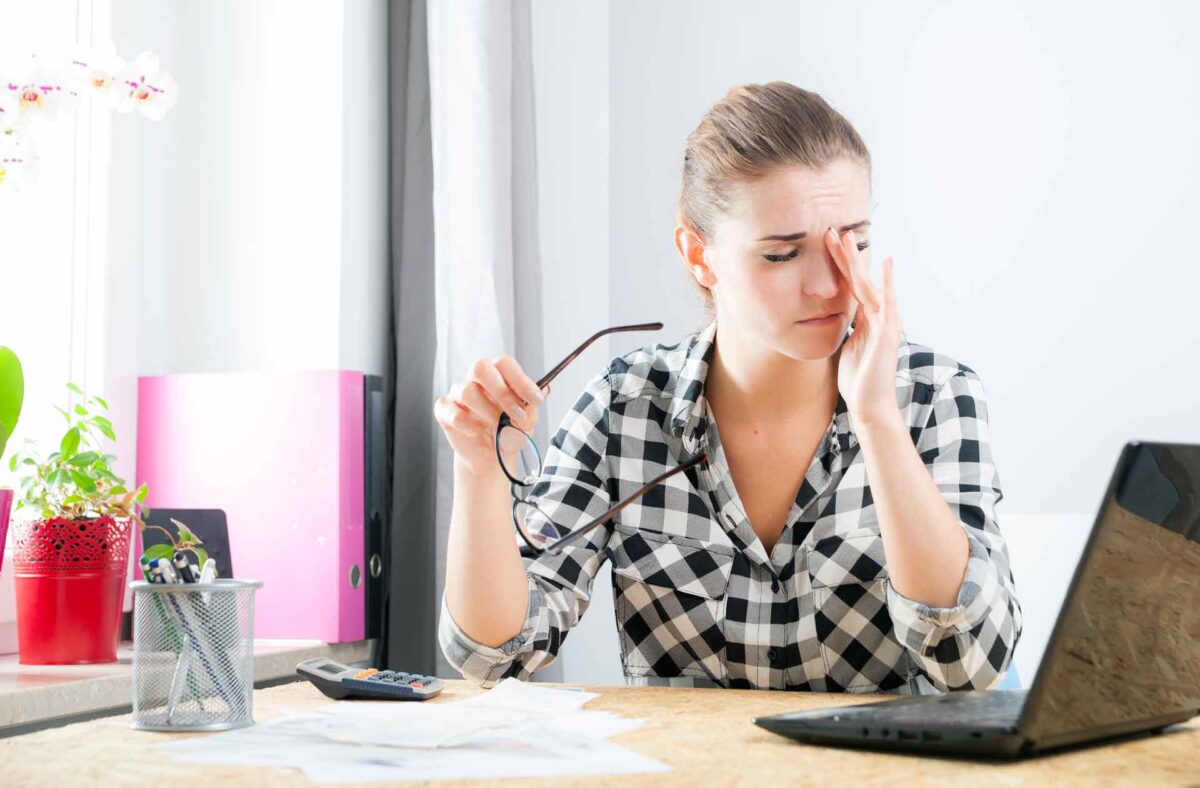
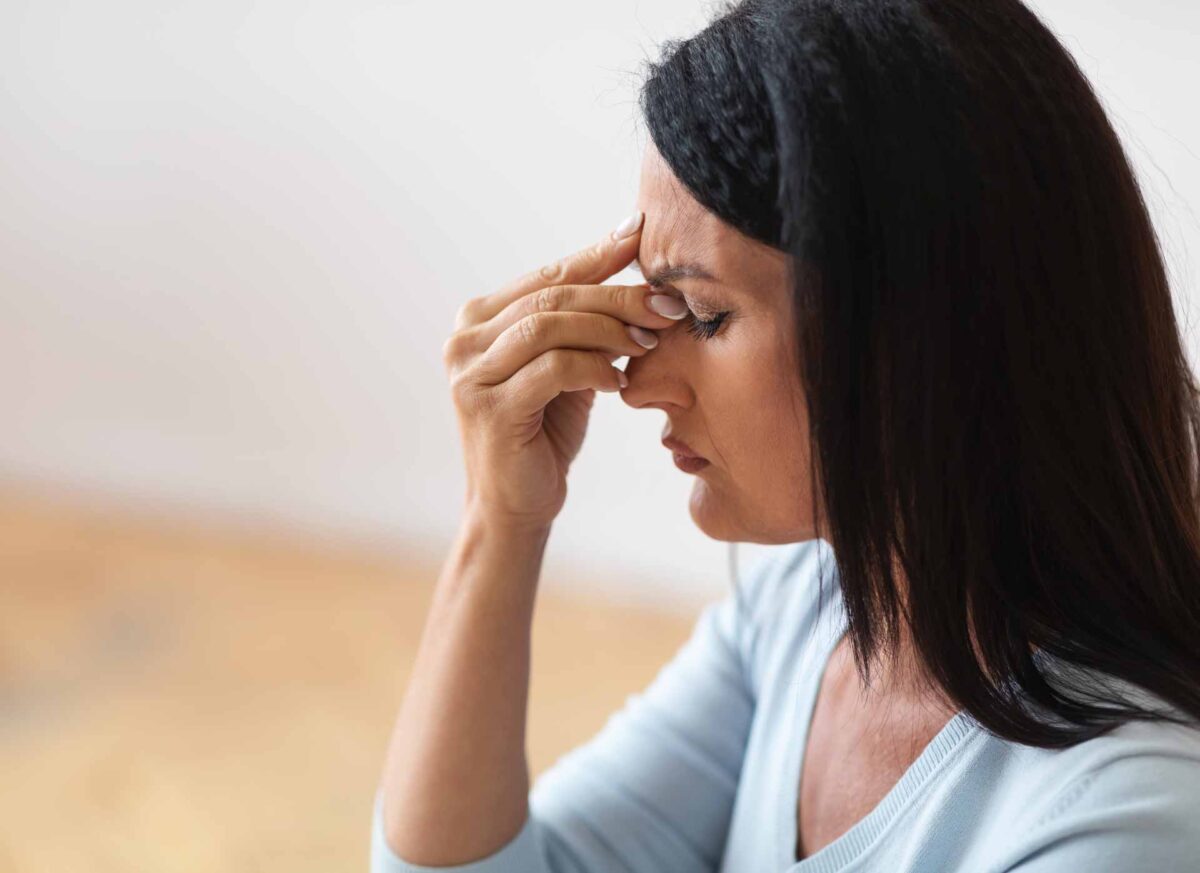
Feeling pain or pressure behind the eyes is usually accompanied by several other symptoms indicating the reason for the eye pain. In this blog, we’ll go over a few common reasons for experiencing pain behind the eyes.
A migraine often causes pain behind the eyes. This is a result of buildup of intraocular pressure. Migraines will also cause pain in the head, sensitivity to light or sound, dizziness, nausea, and/or vomiting.
Tension headaches, the most common type of headache, causes a feeling of pain or tightness around the forehead area, and this often extends to the eyes as well.
Another very common cause of pain behind the eyes is sinusitis. The sinus cavities are located in close proximity to the eyes. There is a buildup of pressure experienced in the sinus cavities during sinusitis, caused by mucus in the sinus cavities. This feeling of aching and pressure can spread to areas adjacent to the sinus cavities, such as when someone with sinusitis has tooth pain. In the same way, the pressure and pain can spread to the eyes as well. This is not harmful to the eyes and will go away once the sinus infection clears.
Scleritis is inflammation of the sclera, the outer layer of the eye. This can result in pain behind the eyes, along with eye redness, light sensitivity, and pain while moving the eyes.
Overuse of computers or screens for long periods of time can cause eye strain, which leads to a feeling of pain behind the eyes. Vision problems such as nearsightedness and farsightedness
can also cause eye strain and pain behind the eyes, along with headaches. If you’ve been having vision issues along with your eye pain, getting your vision checked and new glasses or contact lenses should resolve the issue.
If you’re experiencing pain behind the eyes regularly, see your doctor. Be sure to note all symptoms experienced at or around the same time as your eye pain in order to help your doctor best determine the cause of your eye pain. Most causes can be resolved with help, such as medication or minor surgery for sinusitis or medication for migraines.
The goal of turbinate reduction surgery is to shrink the size of the turbinates without removing too much tissue.
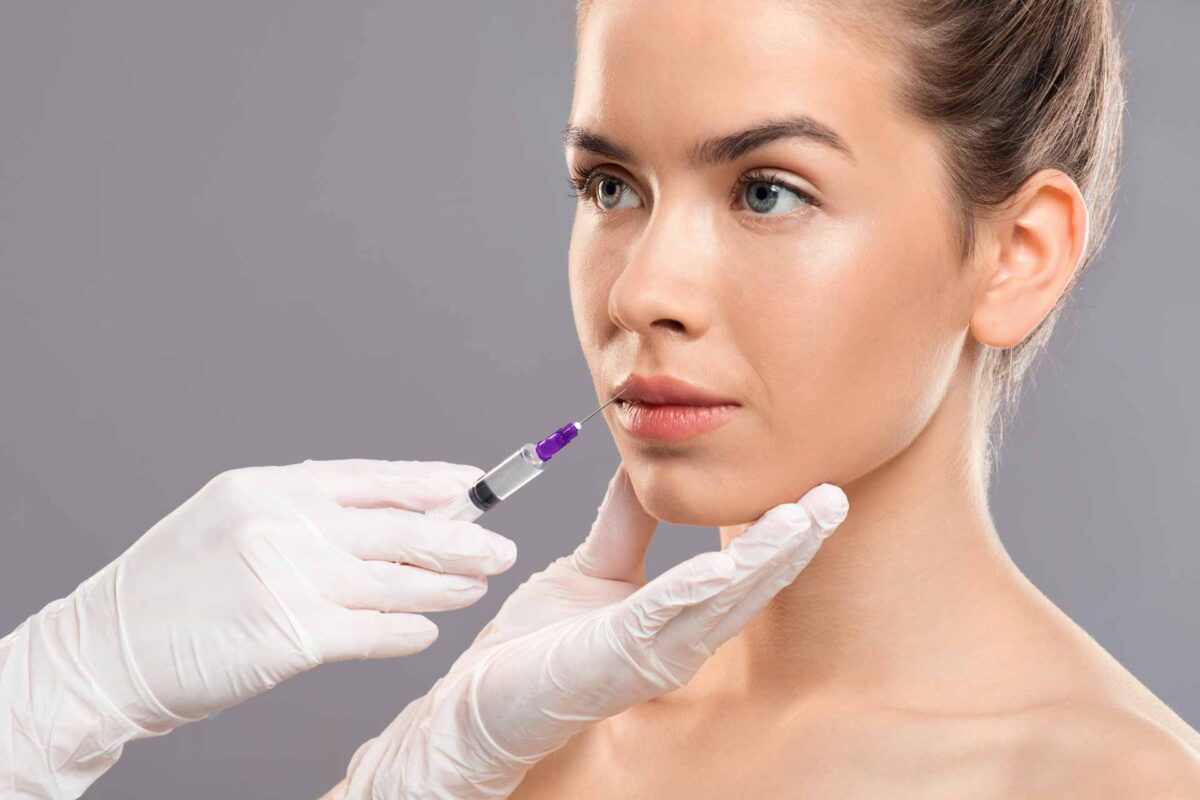
Dermal fillers are injected beneath the skin to restore lost volume, smooth wrinkles, plump the lips, and restore a more youthful appearance. Can the covid vaccine cause any unwanted effects?
Nasal polyps grow in inflamed tissue of the nasal mucosa. The mucosa is a very wet layer that helps protect the inside of your nose and sinuses and humidifies the air you breathe.
A myringotomy is a procedure to create a hole in the eardrum to allow fluid that is trapped in the middle ear to drain out.
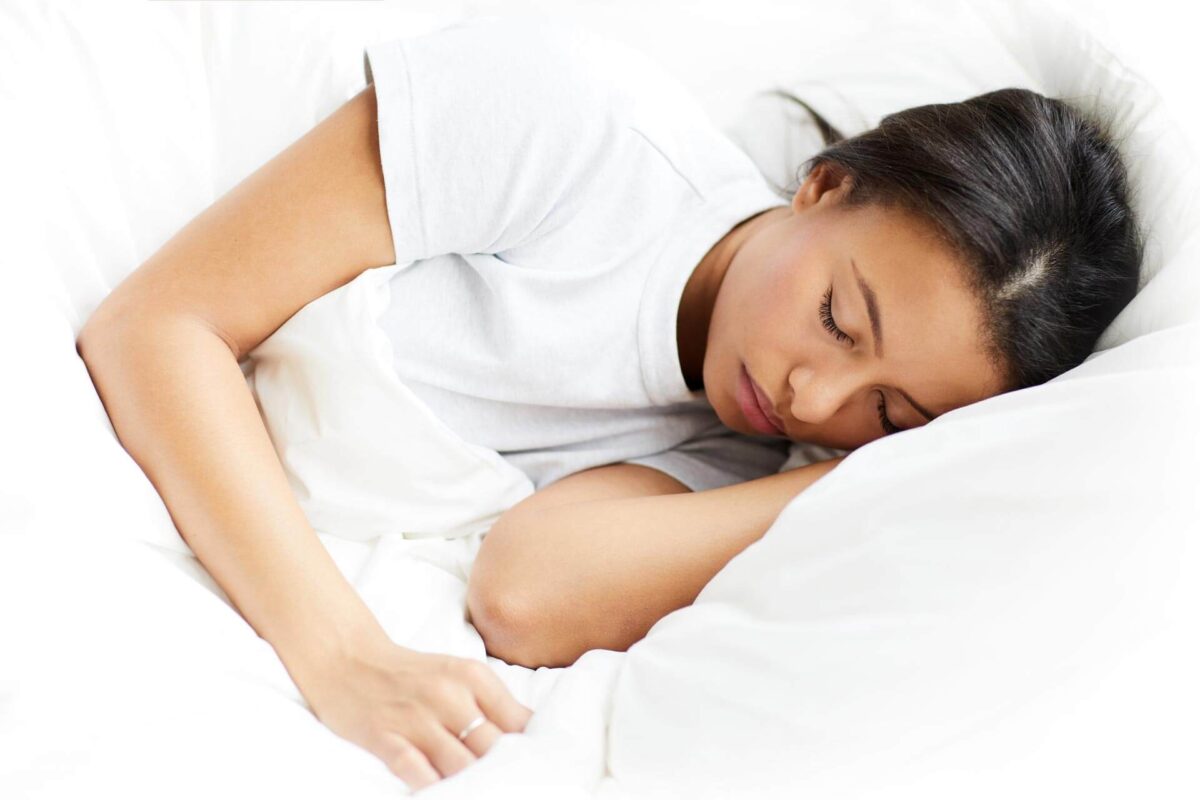
Sleep apnea is more than just snoring. It’s a sleep disorder in which breathing abruptly stops and starts during the night. It can potentially be a serious issue and lead to health problems in the future. It’s important to know how to determine whether you have it or not in order to take action.
The easiest way to determine whether you have sleep apnea is when a partner notices your breathing abruptly stops for a long pause of a few seconds before abruptly starting again. This is often how some first come to suspect it. If your partner or someone in your house notices you suddenly gasping for breath at night or stopping breathing for a few seconds at a time, you are likely experiencing sleep apnea. Your partner or a household member may also notice very loud snoring; this in itself does not mean you have sleep apnea, but it often comes along with sleep apnea.
If you don’t have a partner who sleeps with you or someone in the house who can check if you’re experiencing trouble breathing, there are some other warning signs you can look out for. One is if you wake up at night gasping for breath. The sudden intake of air after a period of not breathing sometimes wakes up the person suffering from sleep apnea.
If you are feeling exhausted during the day despite sleeping at least 7-9 hours each night, sleep apnea is a possible culprit. Sleep apnea deprives your body of a good night’s sleep.
Another sign you may be experiencing sleep apnea is if you wake up with a headache. This could be due to the fact that your body is constantly being deprived of oxygen for periods of time while asleep.
Upon waking up, if you notice you have a very dry mouth, this could be a sign of sleep apnea. This should be taken in conjunction with other signs, however, since it could also simply mean you are sleeping with your mouth open, which doesn’t necessarily mean sleep apnea.
Some smart watches or sleep apps have a sleep feature where you can get a recording of any noises you make during the night. This includes snoring and may include sleep apnea.
If you notice that you are experiencing any of the above symptoms, see your doctor or an Ear, Nose, and Throat specialist. They can order what is called a sleep study to determine whether episodes of sleep apnea are present and, if so, how many and your blood oxygen level throughout the night. From there, they can determine if treatment is necessary as well as which treatment option(s) are available to you.
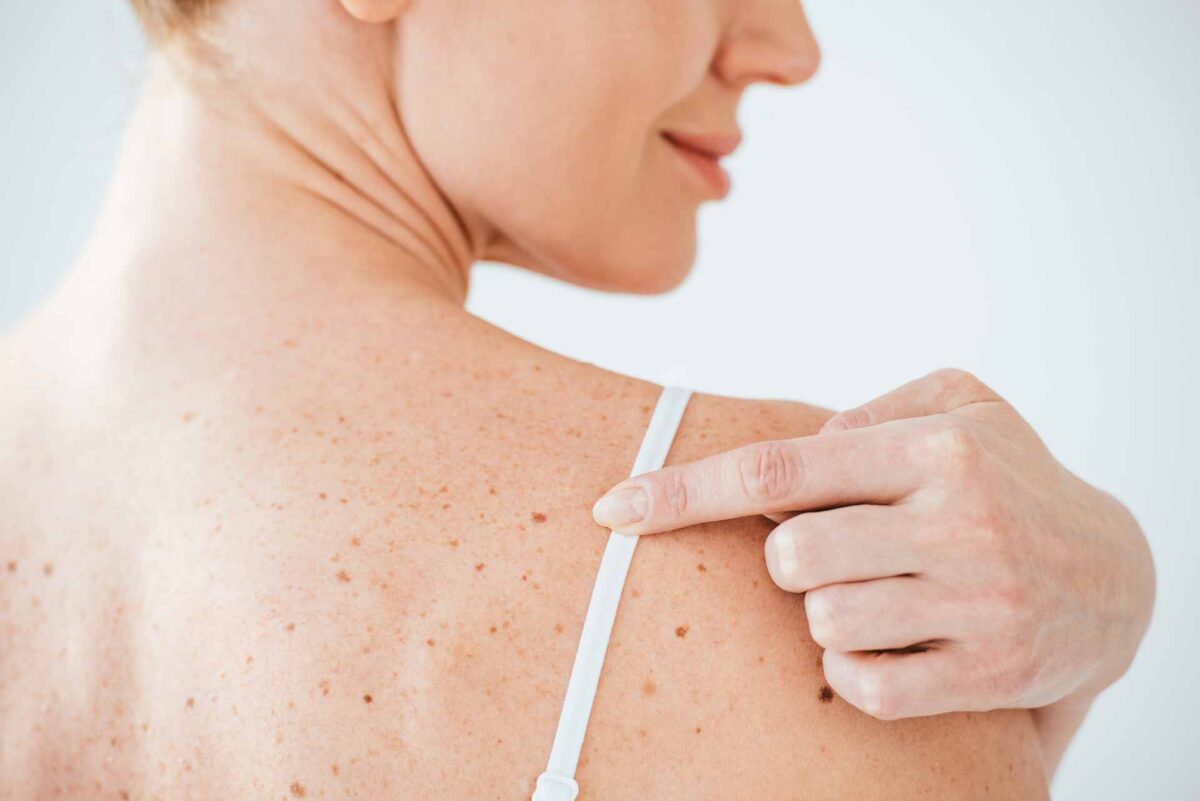
Moles can be surgically removed, burned away, or shaved off. There is a minor risk of infection, but side effects are generally minor.