How Successful is Turbinate Reduction?


The goal of turbinate reduction surgery is to shrink the size of the turbinates without removing too much tissue.

The goal of turbinate reduction surgery is to shrink the size of the turbinates without removing too much tissue.
Nasal polyps grow in inflamed tissue of the nasal mucosa. The mucosa is a very wet layer that helps protect the inside of your nose and sinuses and humidifies the air you breathe.
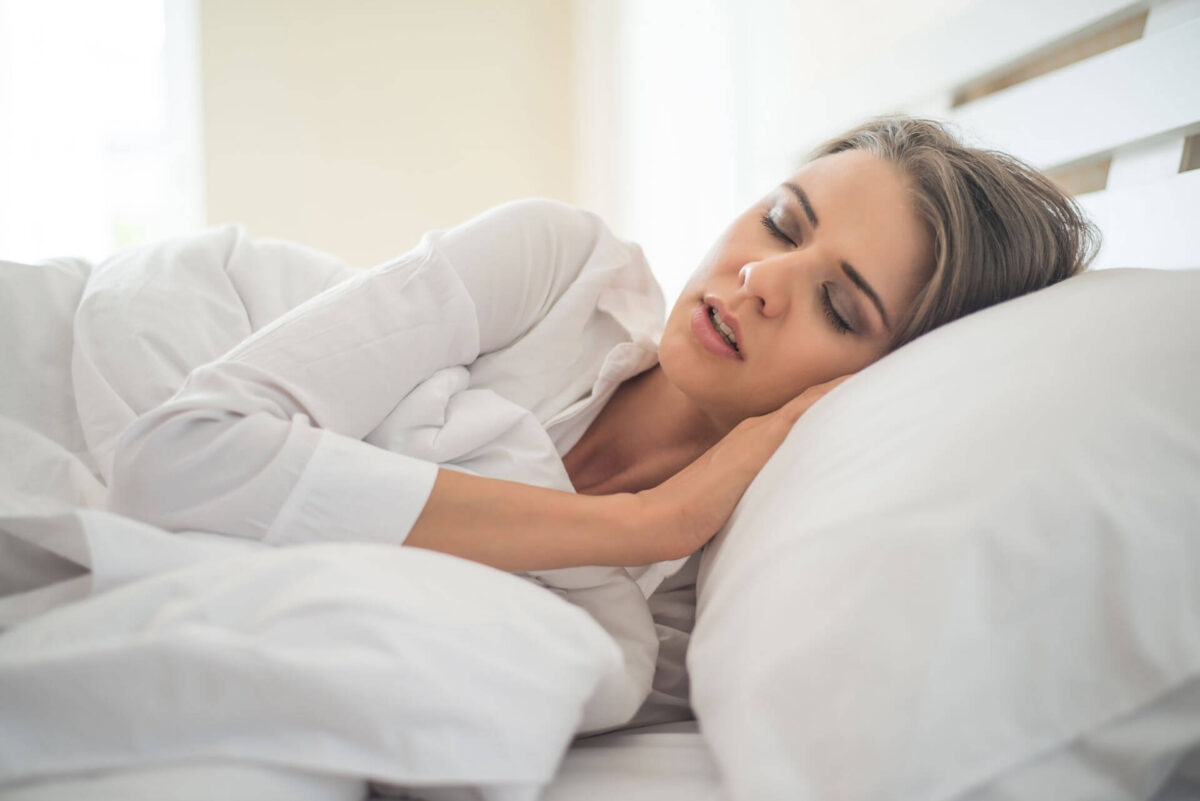
Sleep apnea is more than just snoring. It’s a sleep disorder in which breathing abruptly stops and starts during the night. It can potentially be a serious issue and lead to health problems in the future. It’s important to know how to determine whether you have it or not in order to take action.
The easiest way to determine whether you have sleep apnea is when a partner notices your breathing abruptly stops for a long pause of a few seconds before abruptly starting again. This is often how some first come to suspect it. If your partner or someone in your house notices you suddenly gasping for breath at night or stopping breathing for a few seconds at a time, you are likely experiencing sleep apnea. Your partner or a household member may also notice very loud snoring; this in itself does not mean you have sleep apnea, but it often comes along with sleep apnea.
If you don’t have a partner who sleeps with you or someone in the house who can check if you’re experiencing trouble breathing, there are some other warning signs you can look out for. One is if you wake up at night gasping for breath. The sudden intake of air after a period of not breathing sometimes wakes up the person suffering from sleep apnea.
If you are feeling exhausted during the day despite sleeping at least 7-9 hours each night, sleep apnea is a possible culprit. Sleep apnea deprives your body of a good night’s sleep.
Another sign you may be experiencing sleep apnea is if you wake up with a headache. This could be due to the fact that your body is constantly being deprived of oxygen for periods of time while asleep.
Upon waking up, if you notice you have a very dry mouth, this could be a sign of sleep apnea. This should be taken in conjunction with other signs, however, since it could also simply mean you are sleeping with your mouth open, which doesn’t necessarily mean sleep apnea.
Some smart watches or sleep apps have a sleep feature where you can get a recording of any noises you make during the night. This includes snoring and may include sleep apnea.
If you notice that you are experiencing any of the above symptoms, see your doctor or an Ear, Nose, and Throat specialist. They can order what is called a sleep study to determine whether episodes of sleep apnea are present and, if so, how many and your blood oxygen level throughout the night. From there, they can determine if treatment is necessary as well as which treatment option(s) are available to you.
ClariFix® Cryotherapy is a safe, clinically proven and minimally invasive treatment that targets the source of your symptoms for lasting relief.
A deviated septum is a common contributor to snoring. Here is how to tell if you have a deviated septum and if it could be causing your snoring, as well as what solutions and treatments are available to help.
Rhinitis is a condition in which the mucous layer of the nose becomes inflamed. This causes symptoms such as a runny or itchy nose, sneezing, congestion, and/or a post nasal drip. These symptoms can wear on you, especially if they’re lasting long-term. In this blog we’ll discuss the different causes of chronic rhinitis, as well as what you can do in terms of treatment.
Chronic rhinitis is defined as rhinitis that lasts for more than 6 consecutive weeks. In some, this condition goes on for months or even years. Chronic rhinitis can lead to something called post-nasal drip. This is when excess mucus drains from the nose back through the throat. This is more than a bothersome symptom; it can cause a sore throat, cough, and the feeling of frequently needing to clear the throat. Long term chronic rhinitis can lead to polyps growing in the sinuses.
Allergic rhinitis is rhinitis that occurs as an allergic reaction to something. Common allergens that trigger rhinitis include: pollen, pet dander, and dust mites. Allergies are the most common cause of rhinitis. A common term used to refer to allergic rhinitis is “hay fever.” Those who experience allergic rhinitis usually also experience other allergy symptoms such as itchy throat or watery eyes.
Rhinitis can also occur as a result of other things. Rhinitis can occur as a symptom of certain medications. Rhinitis may occur during pregnancy. It could also occur as a reaction to certain environmental pollutants, or to smoking (whether firsthand or secondhand smoke). Some even experience rhinitis in response to strong scents such as perfume and perfumed items.
If your rhinitis is due to allergies, or a reaction to tobacco smoke or pollutants, you should try to avoid or limit exposure to these triggers, but that’s not always feasible or practical for everyone. A home remedy often recommended is nasal irrigation to clear out the sinus passageways. If both of these are not helping your condition much, it’s time to get checked out by a healthcare professional. There are treatment options available when more conservative methods are not working. Chronic rhinitis that is lasting for months or even years should also get checked out by a healthcare professional. This can help prevent long-term problems associated with chronic rhinitis. Your doctor may prescribe antihistamines or nasal steroid spray if your chronic rhinitis is due to allergies. If you are looking for a more long term solution,the Clarifix procedure using cryotherapy under local anesthesia s another option.
Chronic rhinitis symptoms can take a toll on your quality of life. If you are suffering from chronic rhinitis, seek out an ear, nose, and throat (ENT) specialist who can help you find relief.
While balloon sinuplasty can relieve sinus-related symptoms exacerbated by a deviated septum, it cannot straighten or correct a deviated septum by itself.
One of the recent innovations in sinus surgery is the introduction of balloon sinuplasty, which is a minimally invasive treatment that requires no cutting or removal.
Endoscopic sinus surgery is the most preferred method of surgery for chronic cases, and for good reason. It improves symptoms in 90% of patients!
Sleep apnea is a potentially serious sleep disorder in which breathing stops and starts repeatedly during sleep. Because this occurs when the person is asleep, many do not realize they even have sleep apnea.